From Here I Saw People Laughing (and I Cried)
From Here I Saw People Laughing (and I Cried)
From Here I Saw People Laughing (and I Cried)
From Here I Saw People Laughing (and I Cried)
From Here I Saw People
Laughing (and I Cried)
Book, Editorial, Research, Award–winning, Art Direction, 2019
Book, Editorial, Research,
Award-winning, Art Direction, 2019
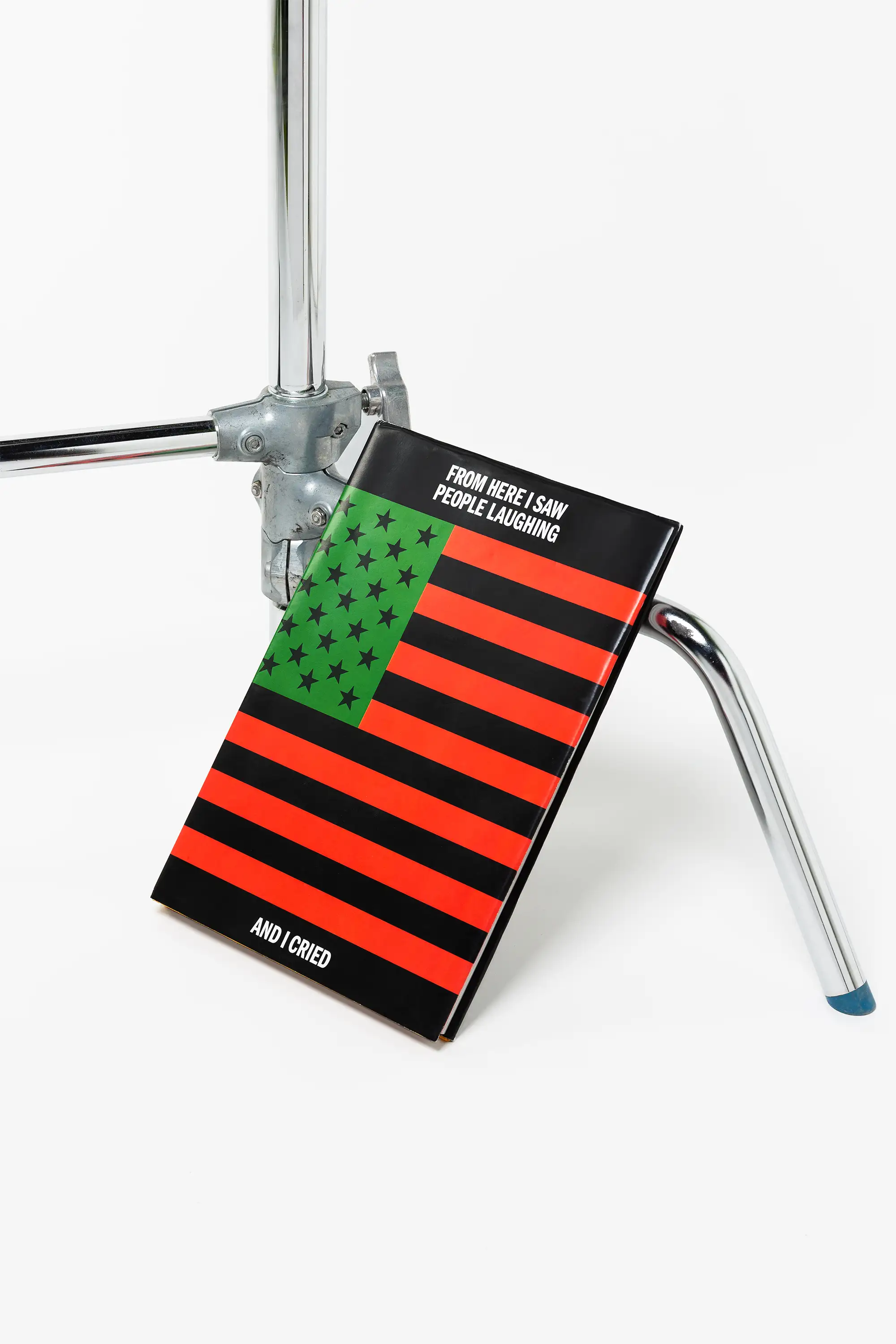

Based on the title of American artist Carrie Mae Weems artwork «From Here I Saw What Happened and I Cried», this book reflects on how humour originated racial stereotypes and derogatory stigmas, through a compendium of artworks created by Afro–American artists.
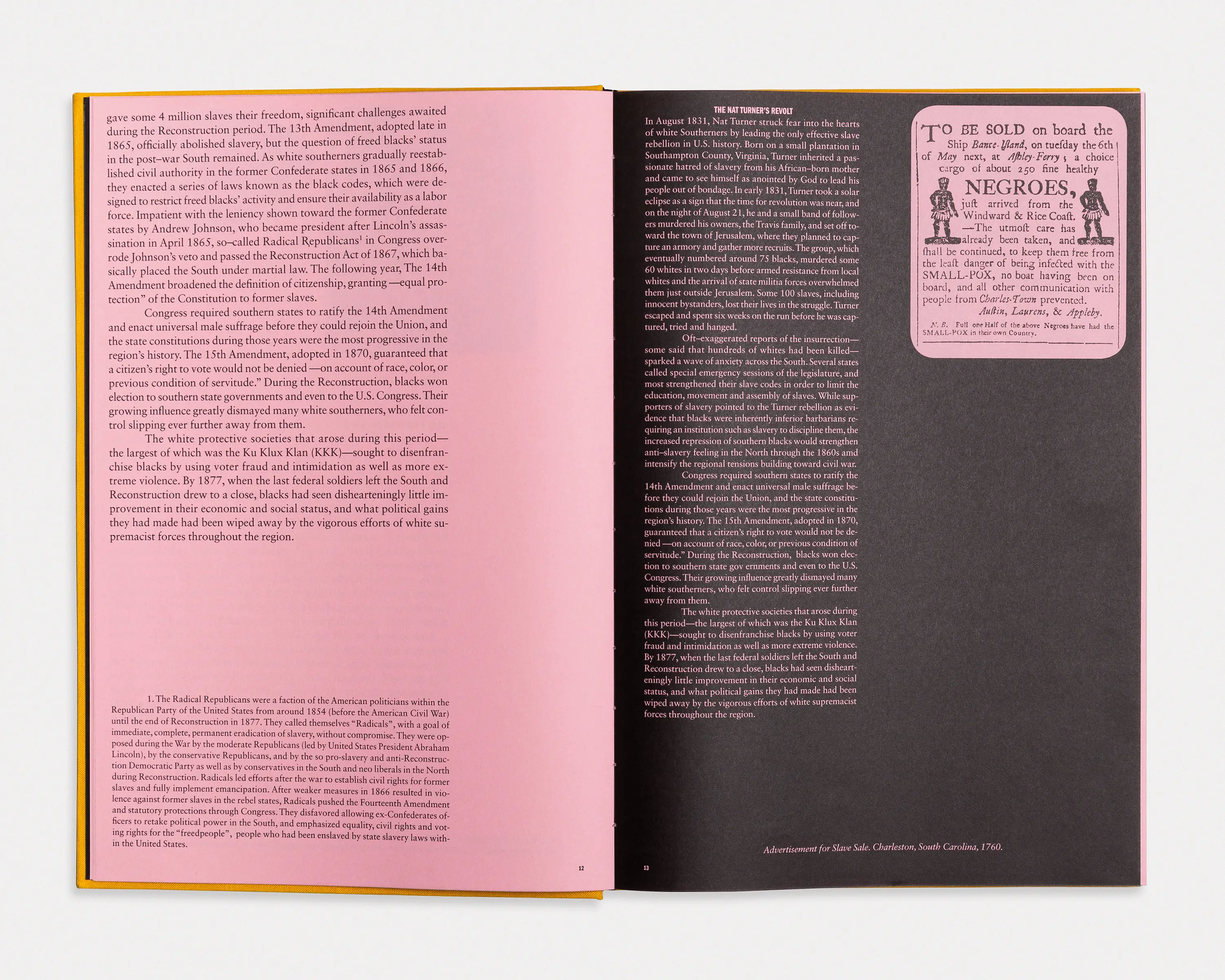
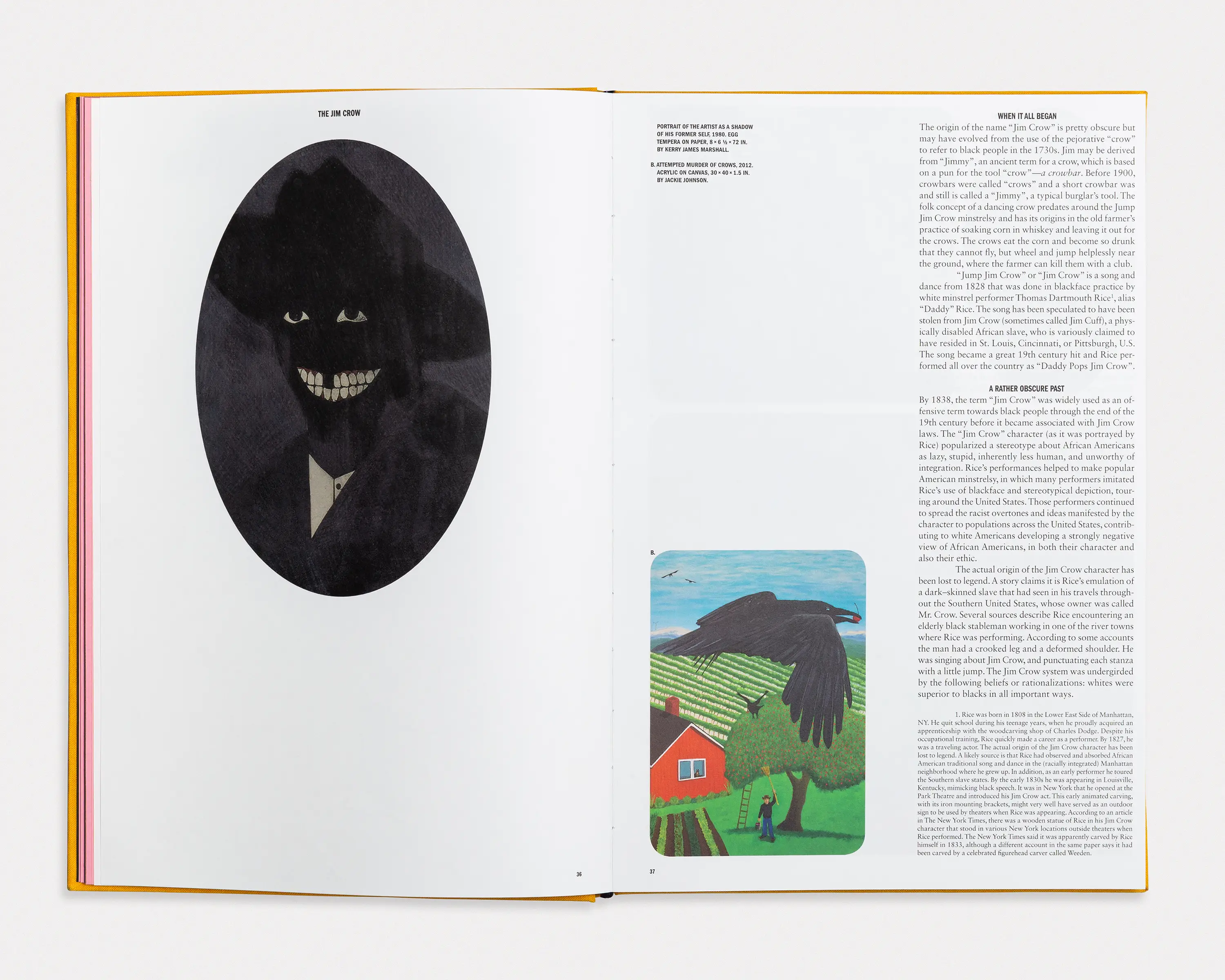
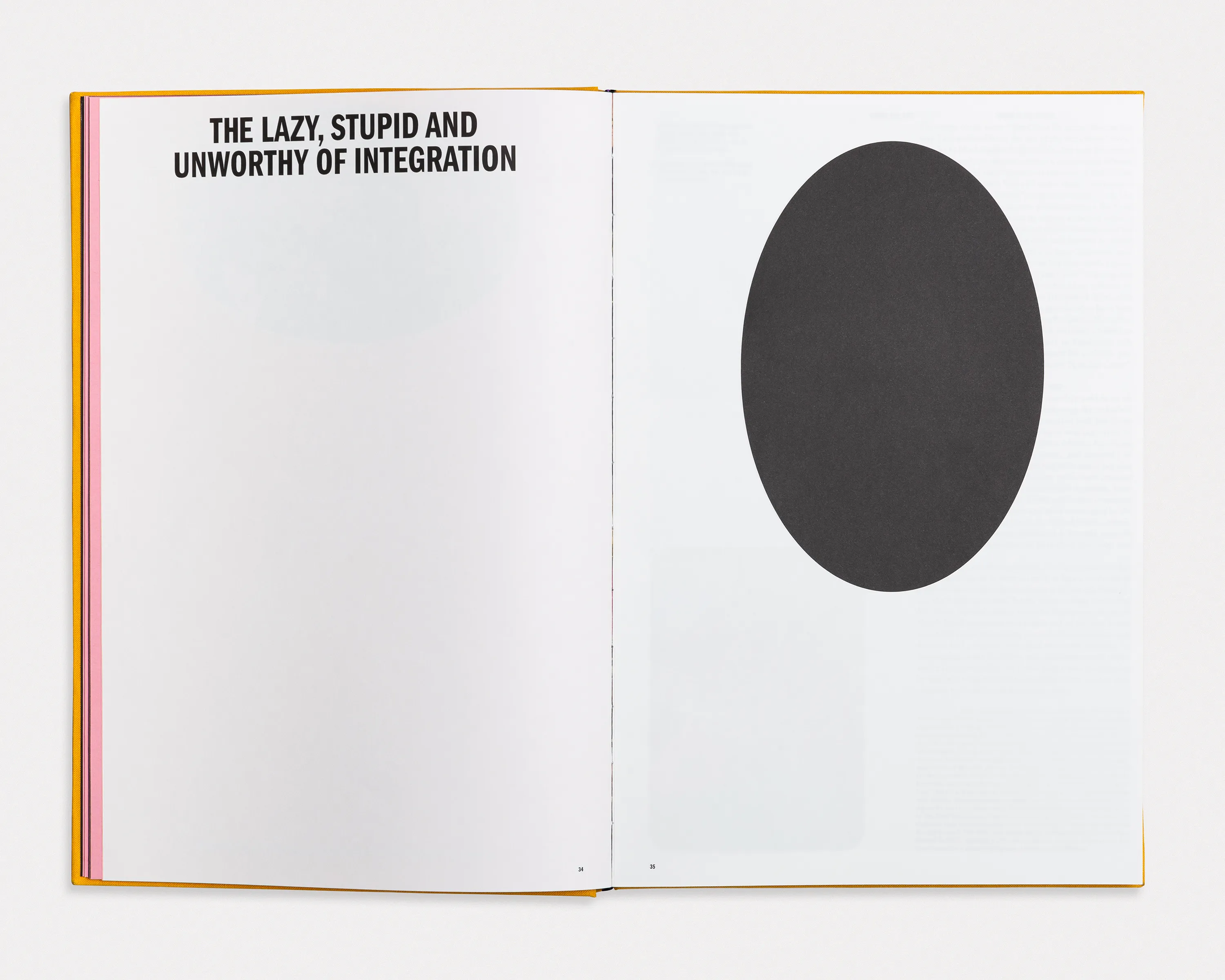
In the United States of America, during the slavery outbreak in the 19th century, the Minstrel Shows were a form of entertainment for a white and privileged audience. The representation of the African–American slaves through the form of “Blackface” created racial stereotypes that remain present until nowadays.
Blackface was born as a practice of non–black people that used to paint their skin to impersonate black people, ridiculing them through making up accents, malapropisms, awkward movements and wearing vulgar attire. It had its dissemination through music, cinema, television, advertising and consumer goods all over the 20th century.
White America’s conceptions of black entertainers were shaped by Minstrelsy’s mocking caricatures. For over one hundred years, the belief that coloured people were racially and socially inferior was fostered by legions of both white and black Blackface performers, characterized with big red lips and wide mouths.
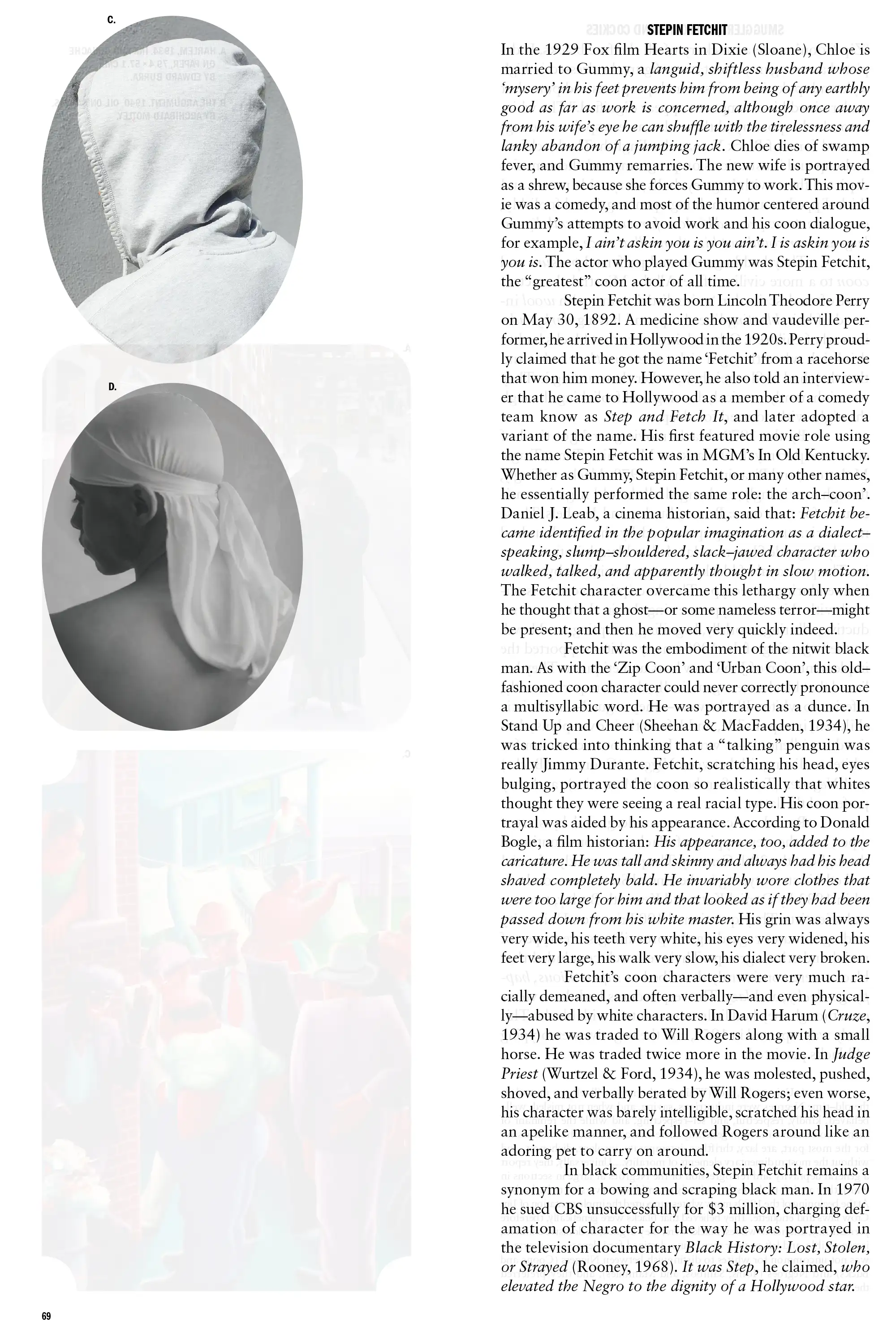
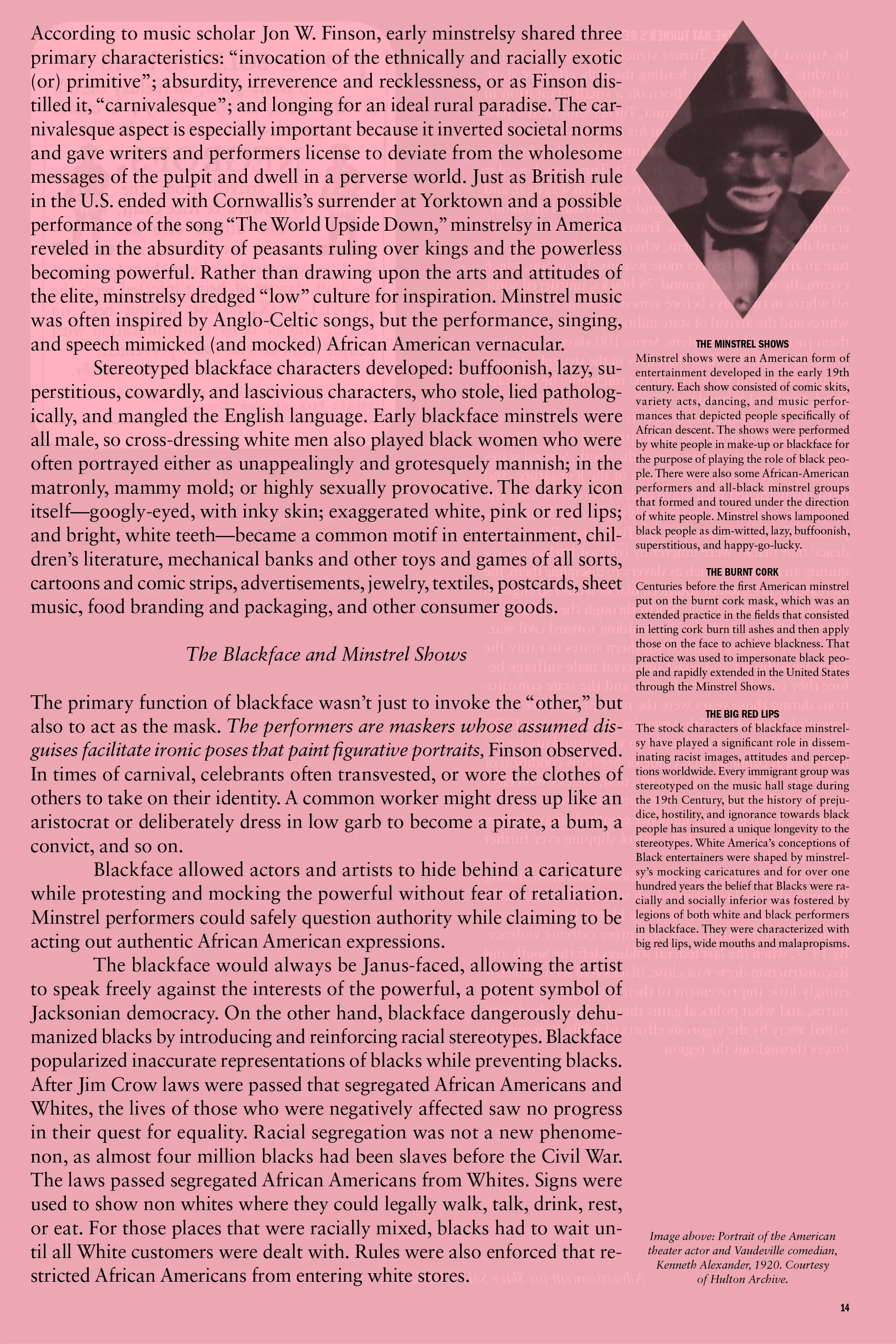
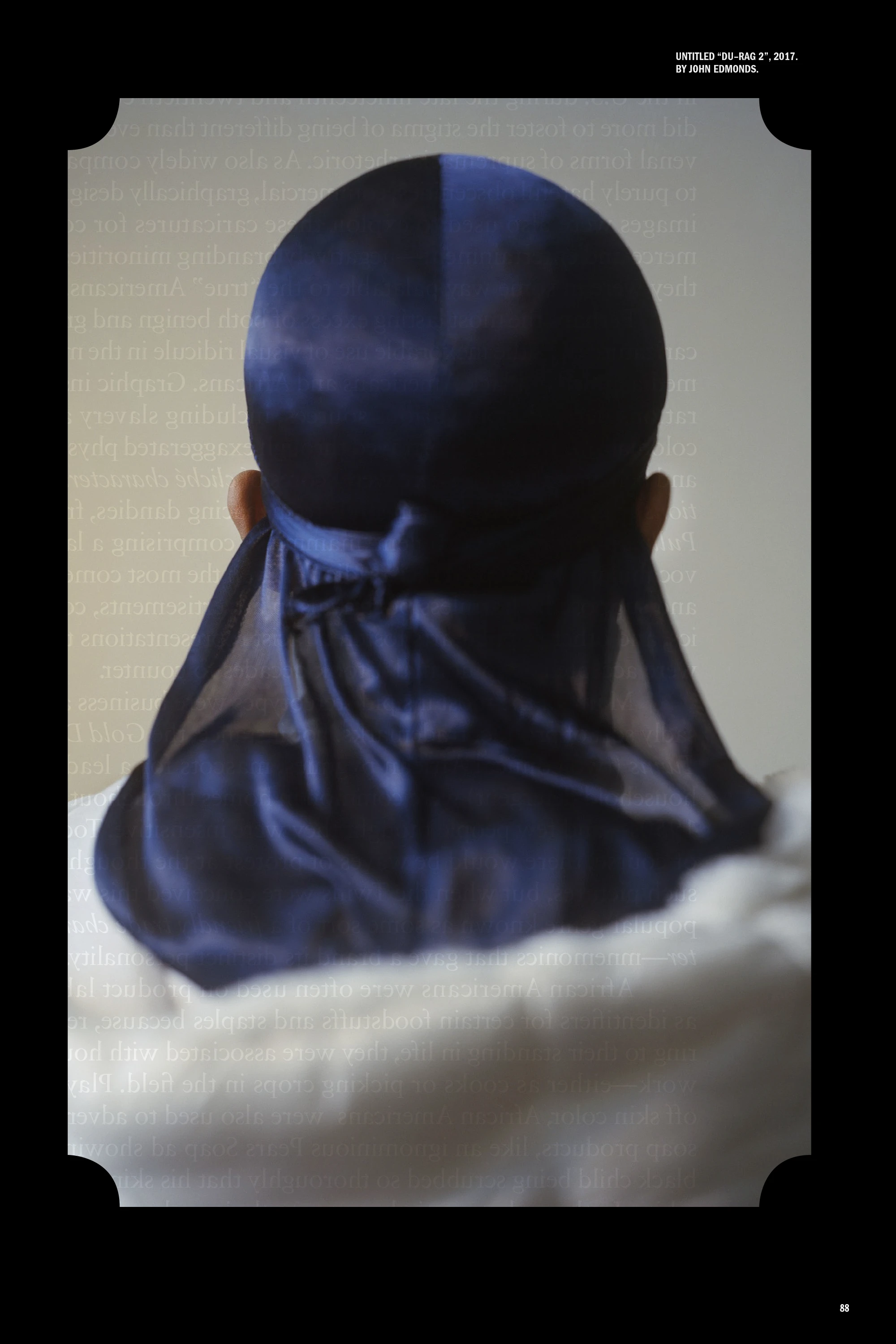
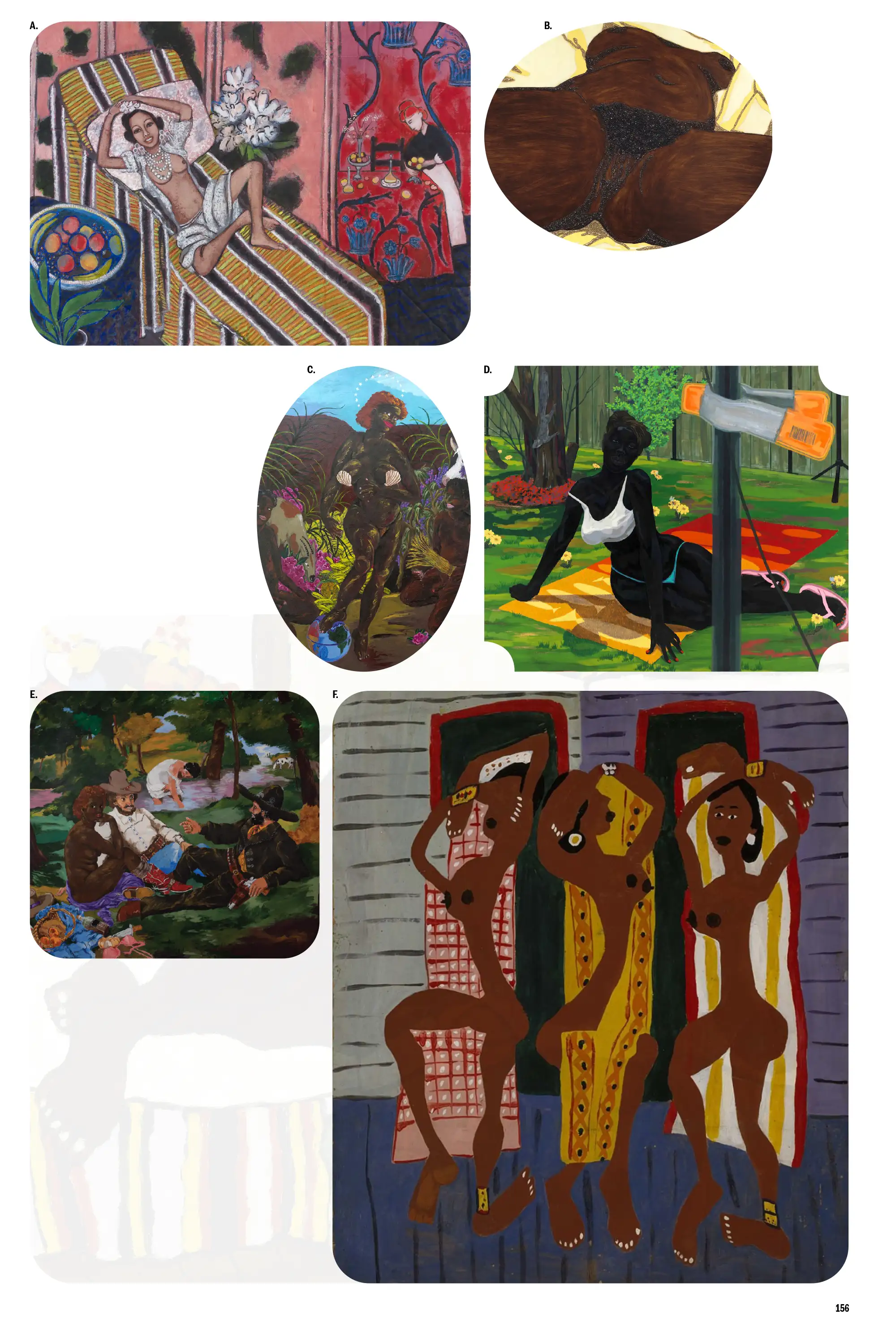
Through the use of geometrical shapes reminiscent of photography frames from the 19th Century, we wanted to provide a visual cue for all the archetypes, while containing the artworks as a way to explain the social and political oppression that Afro–Americans suffered.
We built a bridge to the past, between historical means and a compendium of rebellious artworks. The challenge was to make both of them dialogue in a uniform way, while raising awareness regarding the history of the representation of the Afro–American culture.
The trickiest part about this subject is to work with such sensitive material through a white–privileged lens. Even though we haven’t participated in any form in the stigmatization of this community, we yet had the need to unearth these historical events and explain them.
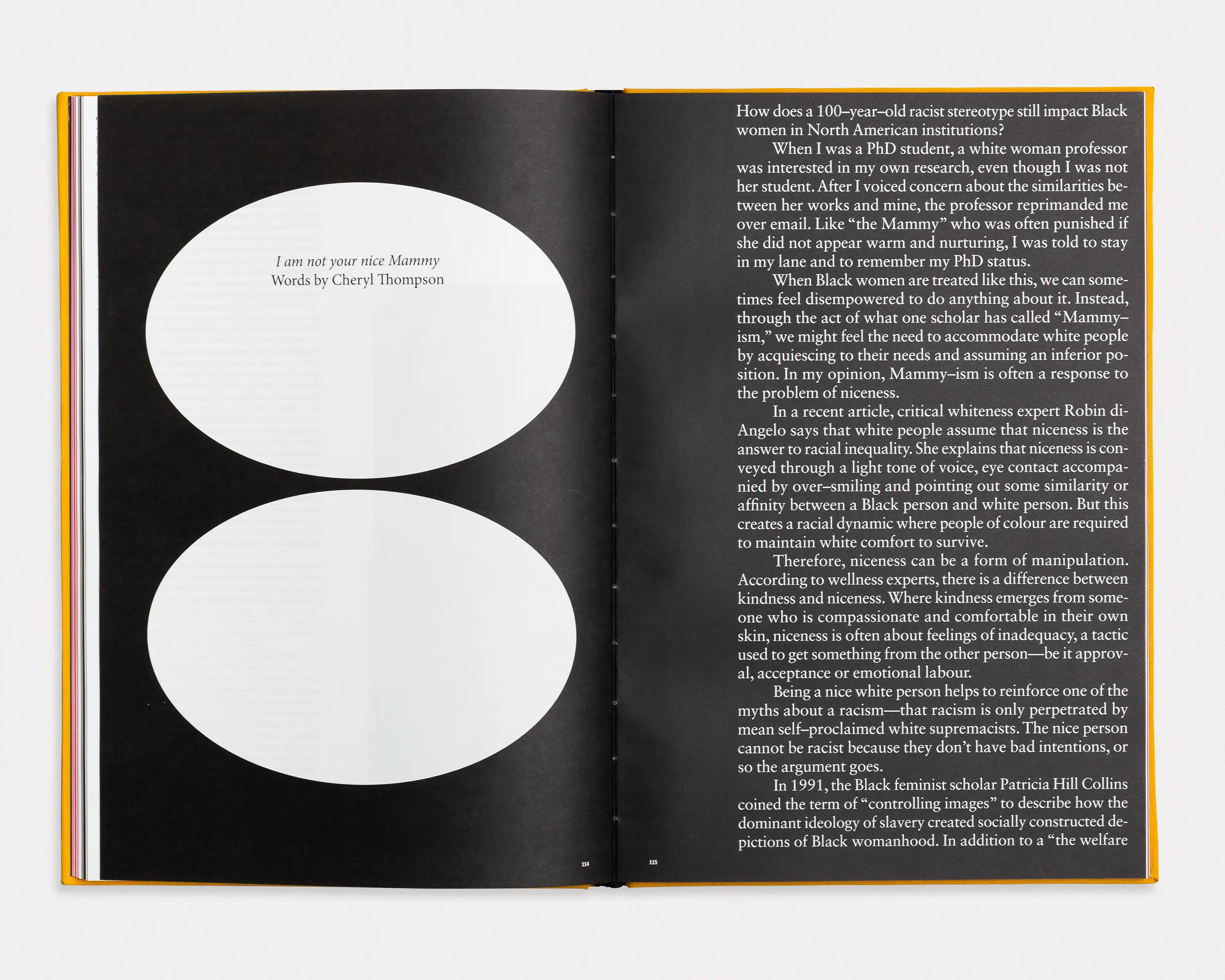
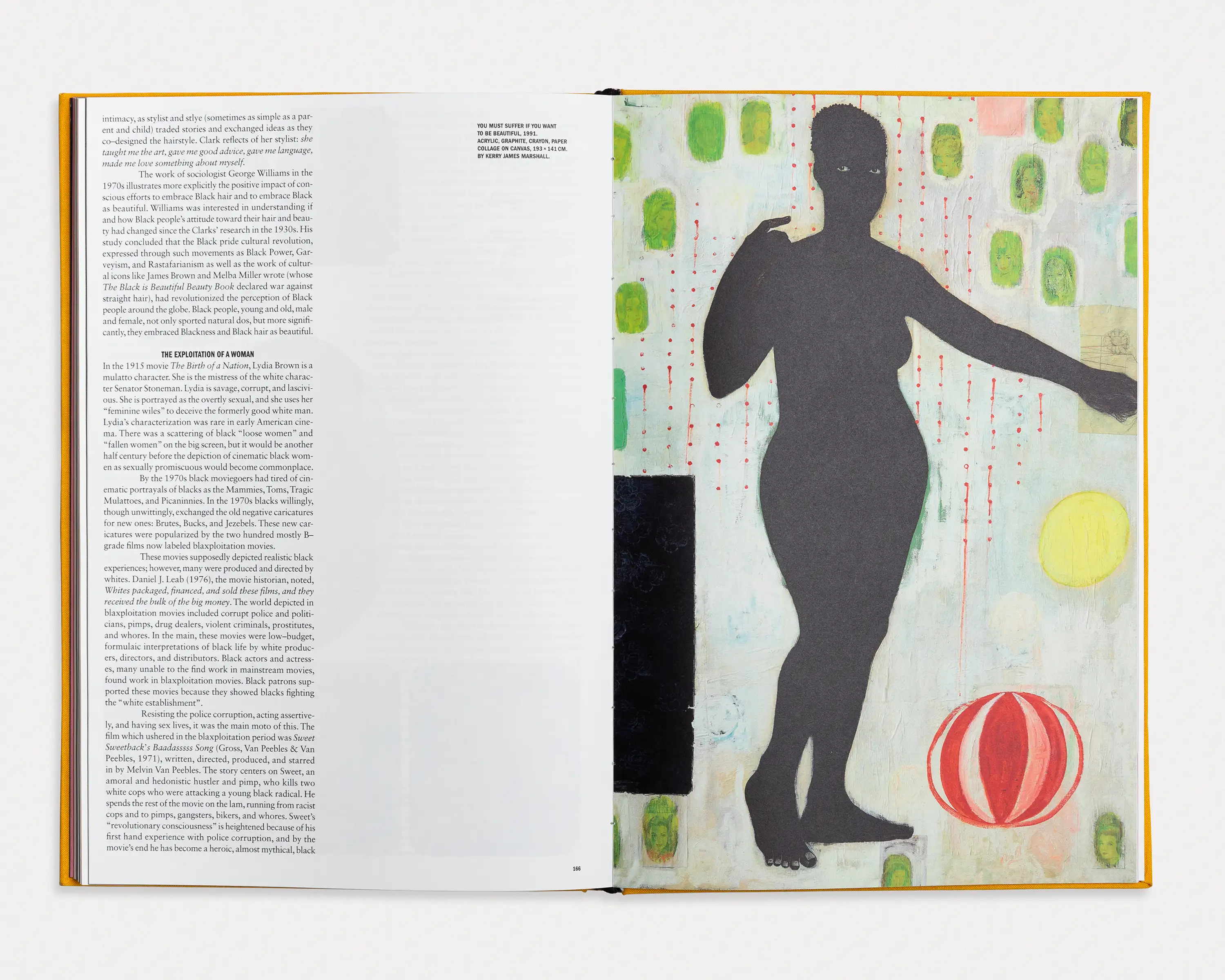
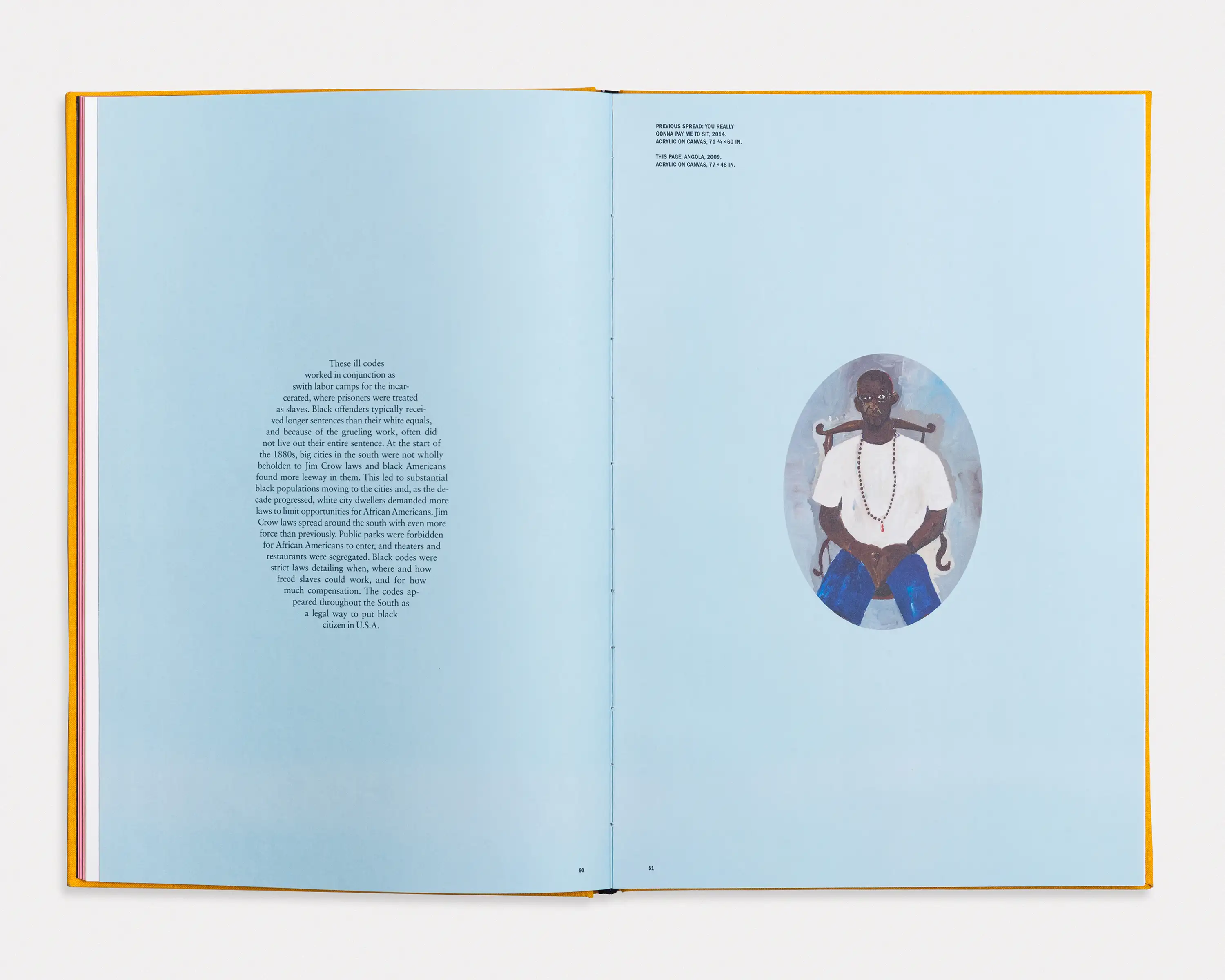
By recontextualizing offensive imaginary through art movements such as Blaxploitation or Harlem Reinassance, the artists featured in this book counter the stigmatization of their community by using it as a form of empowerment.
The artists featured in the book are Jean–Michel Basquiat, Kerry James Marshall, Henry Taylor, Robert Colescott, John Edmonds, Carrie Mae Weems, David Hammons, Bráulio Amado, Archibald John Motley, Edward Burra, Jacob Lawrence, David Levinthal, Horace Pippin, William H. Johnson, Starr Rose, Norman W. Lewis, Jackie Johnson, Gary Simmons, Charles J. Dodge, John Henry, Michael Ray Charles, Romare Bearden, Camille Billops, Betye Saar, Faith Ringgold, Ian Mwesiga, Emma Amos, Ralph Chessé, Stephen Towns, Hammatt Billings, Édouard Manet, Christiaen Van Couwenbergh, Jean–Paul Goude, Mickalene Thomas, Mildred Howard and Njideka Akunyili Crosby.
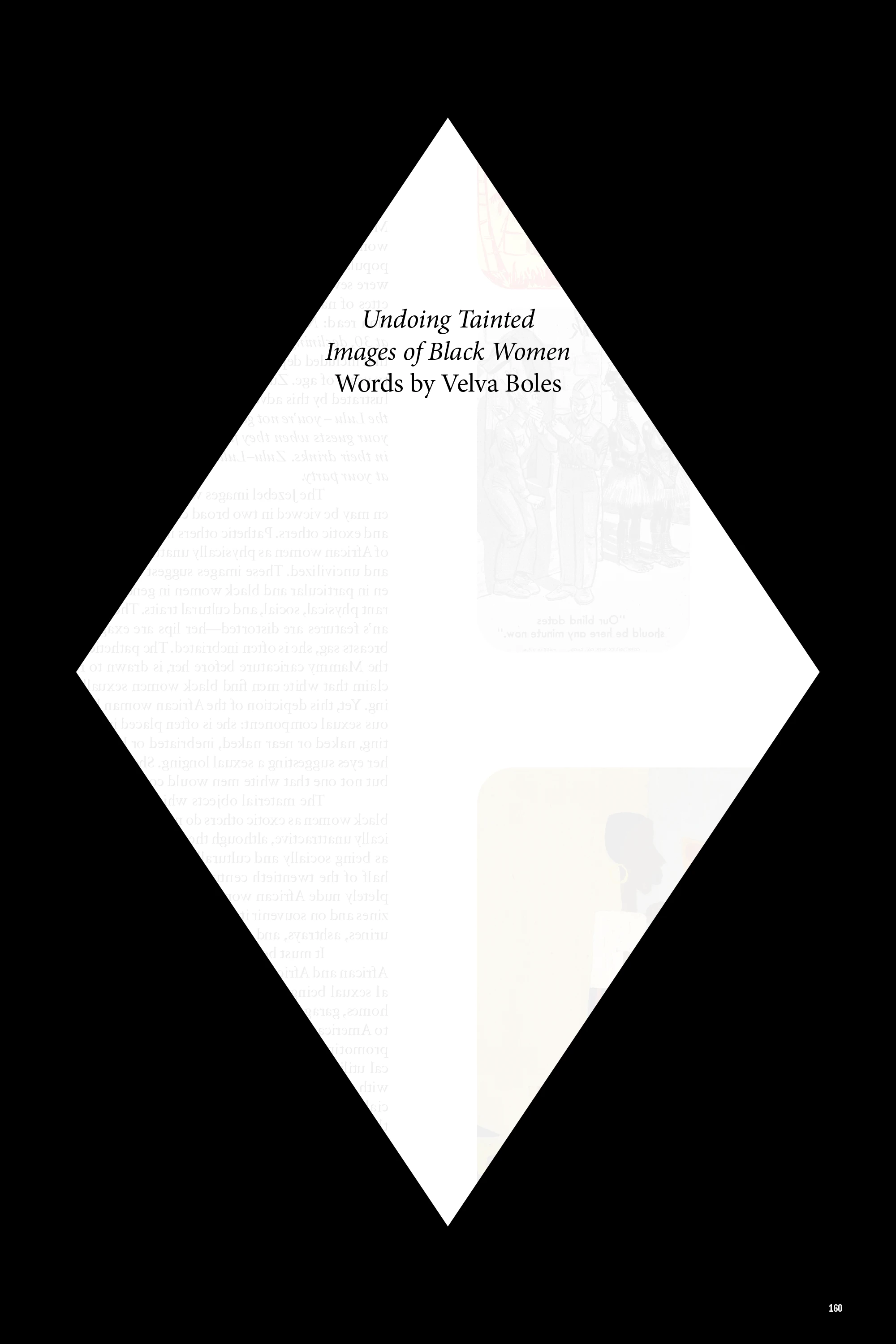
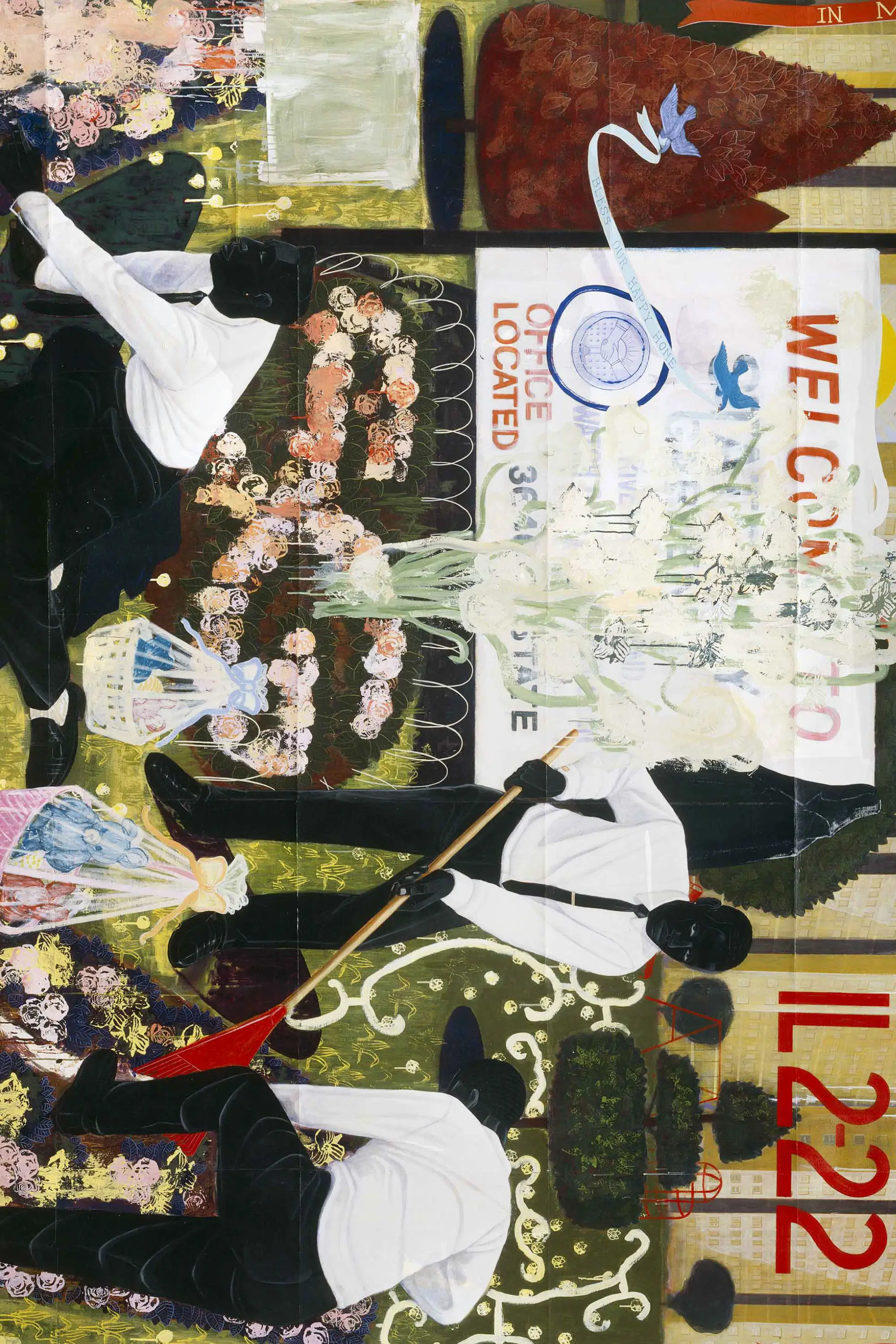

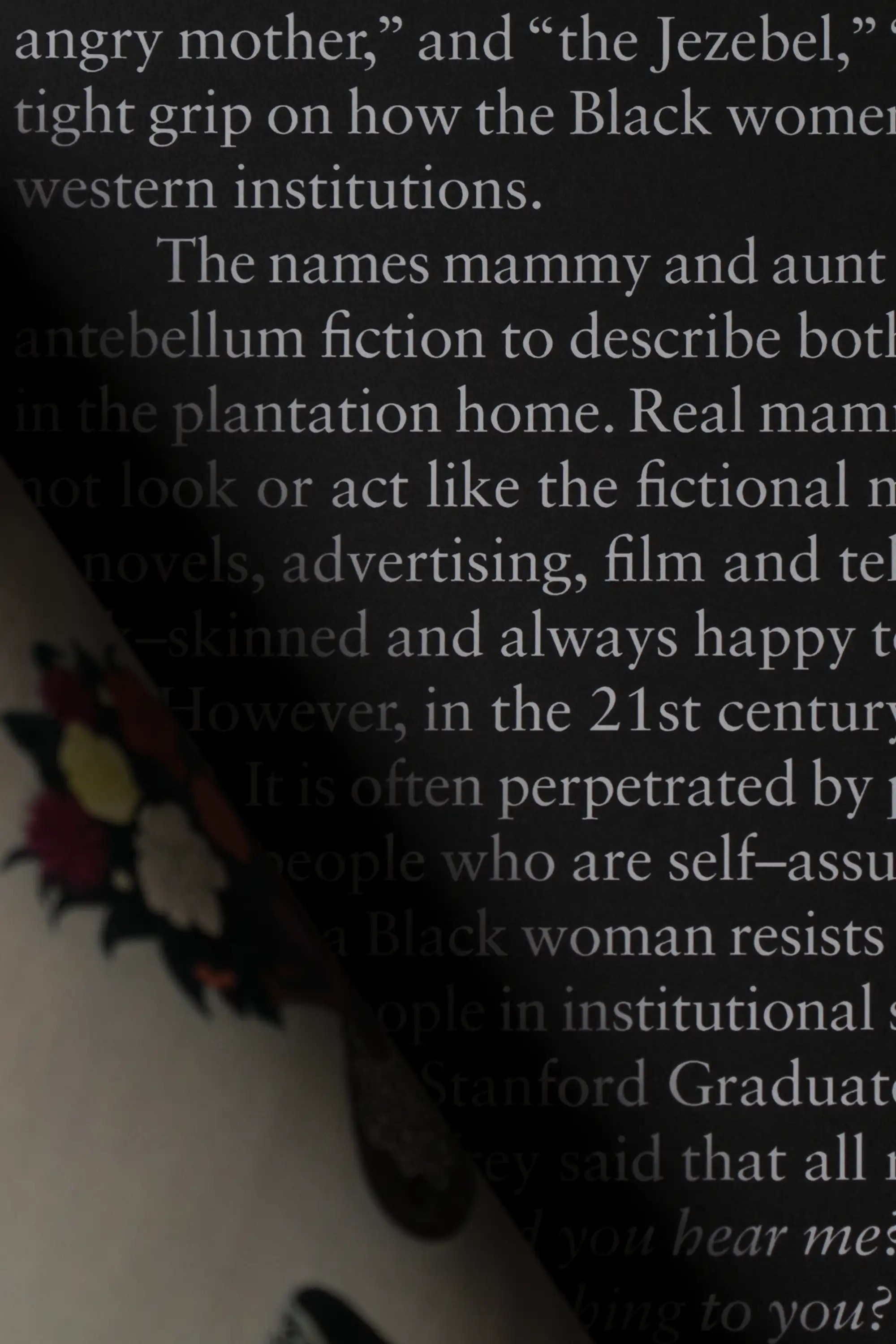
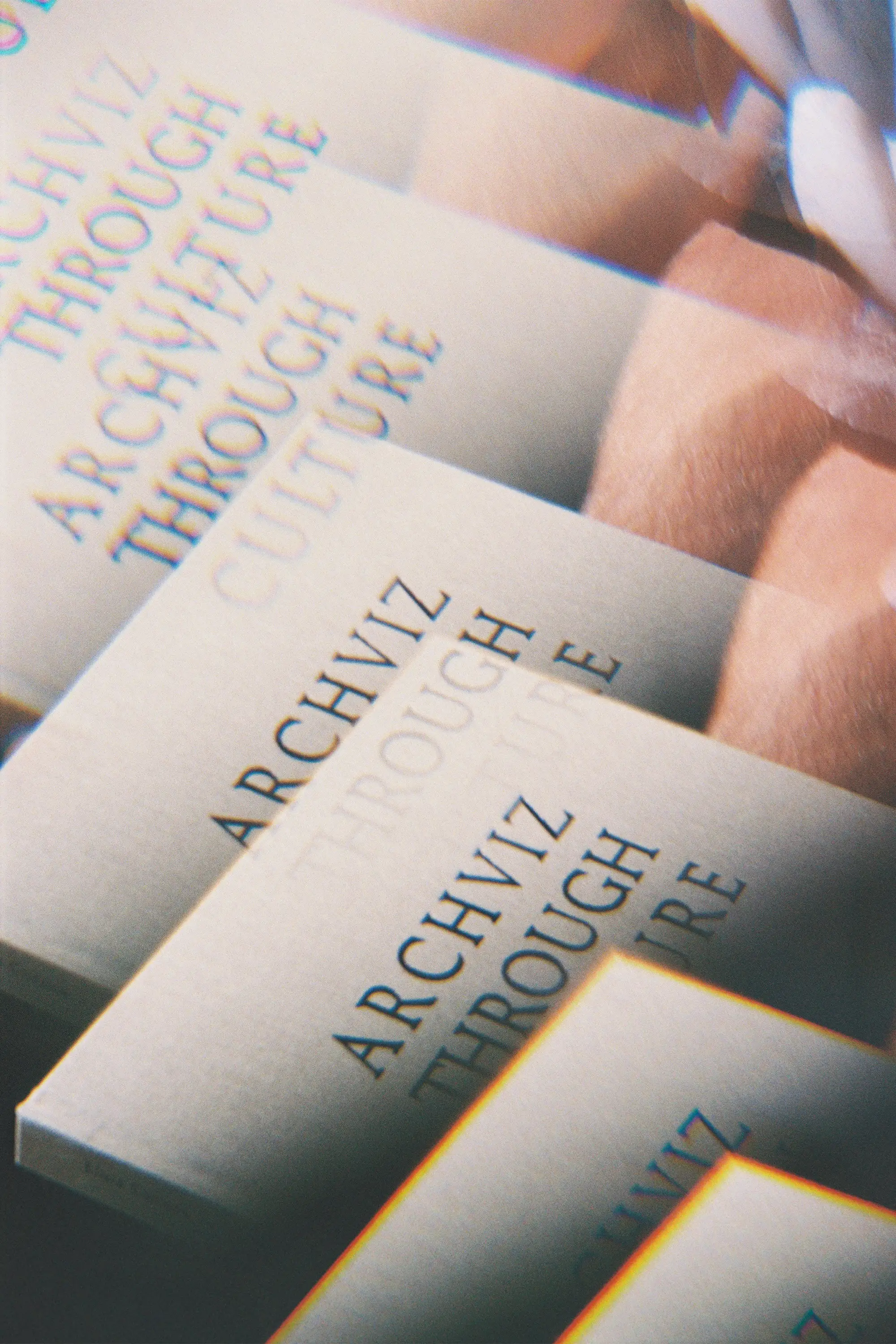
Book designed in partnership with Raquel Piteira. Project awarded with the prestigious Gold ADG LAUS Award as the best Graphic Design project in the Masters and Postgraduates category in 2020. Special thanks to Raquel Piteira, Josep Román, Affaire Projects, Marc Panero and ELISAVA. Photography by Xavi García. Photography Assistant: Bernat Eguiluz. Set Design by Zorra Mimosa. Printed in Nova Era and bound in Naikare, Barcelona.
21 × 31 cm
Techniques
Lay–flat binding
Debossing
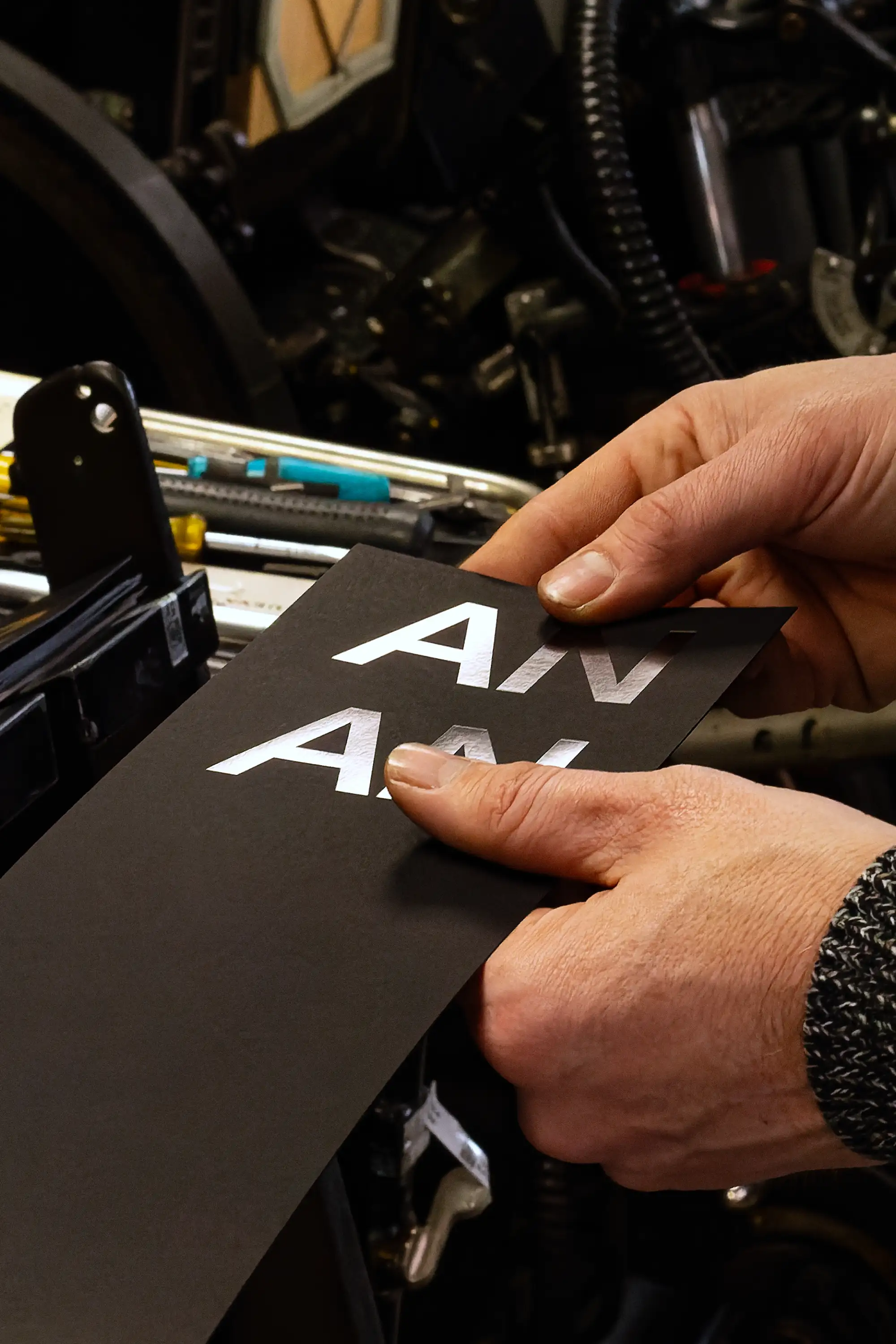
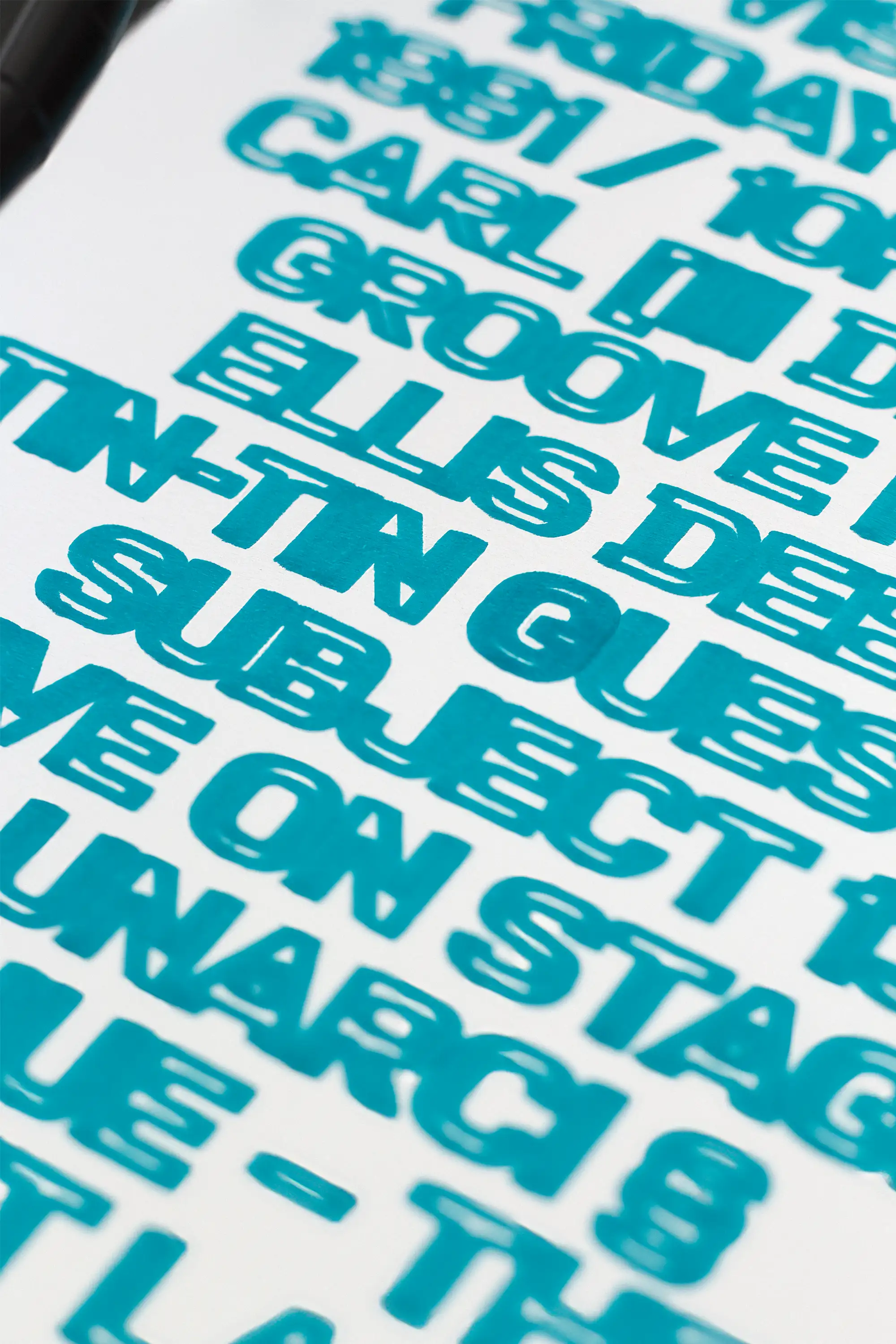
Silkscreen printing
Typeset
Papers
Cover
Cover Artwork
Acrylic on panel, 49 × 48 × 2 In
By Kerry James Marshall
Dust Jacket
Dust Jacket Artwork
By David Hammons
Portfolio
Selected Works


















Phone
LinkedIn
Privacy Policy, Cookies Policy
©Alejandro Sanz Seguí, 2026. All rights reserved.